What Is Amazon FBA? How It Works, What It Costs, How to Ship from Türkiye
FirstBu Editorial Team | Updated:
Short answer
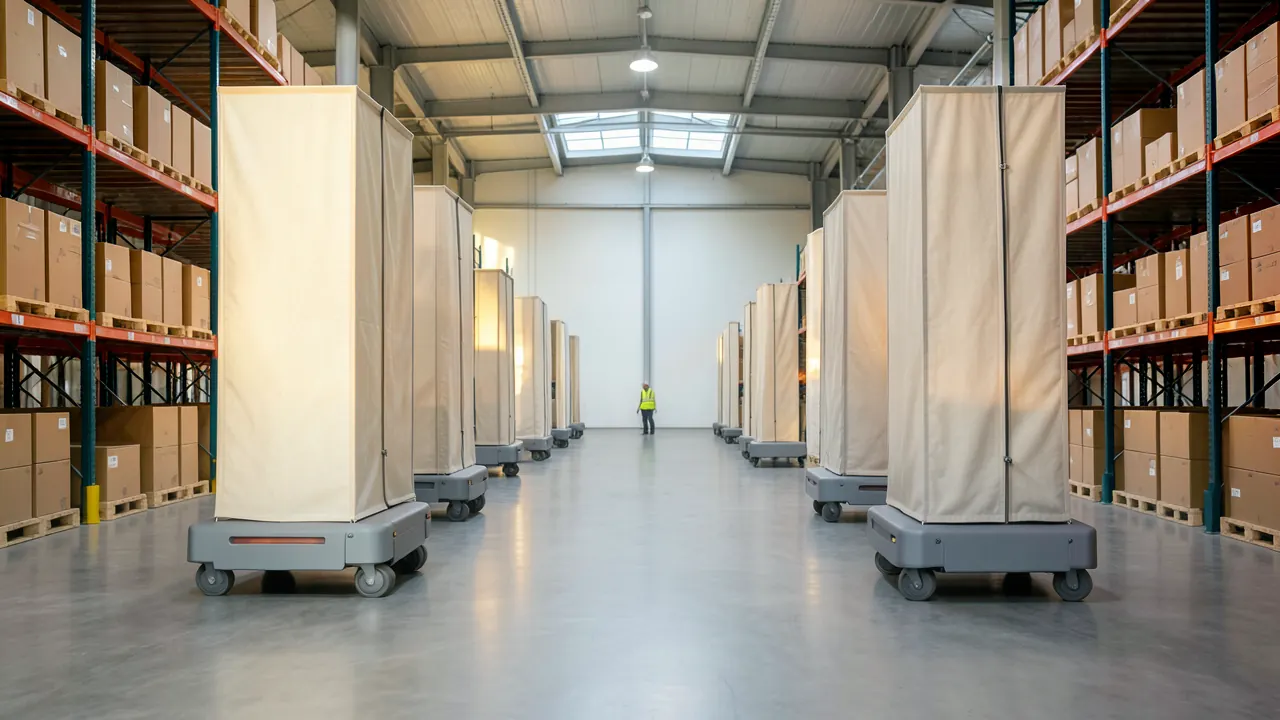
Amazon FBA (Fulfillment by Amazon) is a program in which you send inventory to Amazon's warehouses and Amazon stores, packs, delivers and supports your orders, including returns. Products become eligible for Prime delivery. You pay fulfillment, storage and placement fees on top of the referral fee. Sellers in Türkiye can use it, but they remain responsible for importing the goods.
Key takeaways
- FBA works with both the Individual and the Professional plan; Professional is cheaper once you sell more than 40 items a month.
- Amazon does not act as importer of record for any FBA shipment; customs entry and duties are the seller's responsibility.
- Amazon ended its US prep and labeling service on January 1, 2026, so products must arrive prepped and labeled.
- On January 15, 2027, FBA fulfillment fees rise by $0.19 per unit on average, and on February 1, 2027 storage moves to one age-based rate.
- Standard boxes may not exceed 36 x 25 x 25 inches or 50 lb; oversize boxes can lead to blocked shipments.
FBA means handing your logistics to Amazon. The work you keep decides whether it pays: customs, prep, stock planning and fee control. Here is how the program works, how goods travel from Türkiye to a US warehouse, and what the 2027 fee update changes.
How does Amazon FBA work?
You send the stock and Amazon delivers the orders. Amazon's FBA page describes four steps:
- Register for FBA in Seller Central.
- Assign products to FBA and confirm that they are eligible.
- Create a plan with the Send to Amazon workflow, then prep, label and ship.
- Once the units are received, Amazon handles orders, delivery, returns and customer questions.
On the product page, the item ships from Amazon and is sold by your store. Some products need prior approval and others cannot enter the program at all, so check the FBA product restrictions before you invest.
Which products suit FBA?
Small, light products that sell quickly and earn enough margin to absorb the fees. Amazon stresses the Prime badge as a conversion driver. In its guide for sellers in Türkiye, it reports that their FBA offers converted about four times better than their self-shipped offers in 2025. That is Amazon's own data, and your category may behave differently.
| Good fit | Poor fit |
|---|---|
| Small and light | Bulky or very heavy |
| Stock that turns many times a year | Slow or seasonal stock |
| Standard items | Customized items |
| Low return rate | Frequent size or color returns |
| Price that carries the fees | Under $10 with thin margin |
For products in the right-hand column, FBM may lose you less money. You can also run both methods for the same product.
How do you ship from Türkiye to an Amazon warehouse?
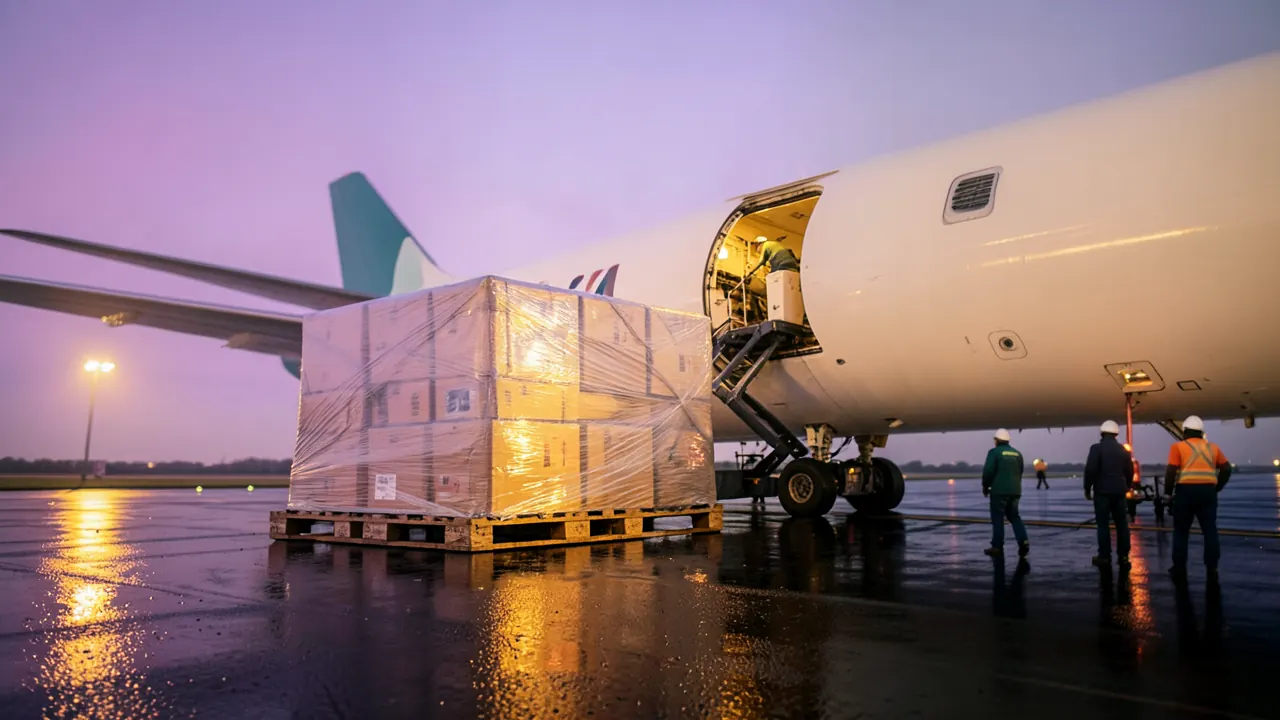
There are three routes: Amazon SEND, your own forwarder, or a US warehouse in between. In all three, US import compliance belongs to the seller.
- Amazon SEND. Air freight from Türkiye straight to FBA. It requires a Professional North America account. The carrier clears customs on both sides, and freight plus any duty is charged to your account after delivery. Details are on the SEND page (in Turkish).
- Your own forwarder. By sea or air, with a customs broker, an importer of record and, where required, a customs bond.
- A third-party warehouse (3PL). You import in bulk and feed FBA in smaller batches from inside the US.
Amazon's import rules leave no room for doubt. Amazon will not be the importer of record for a shipment of any size or value, and you cannot leave that field blank. A foreign person or company can act as a non-resident importer through a broker. Under a new CBP rule, a foreign importer that is not CTPAT validated must use a CTPAT-validated broker from January 5, 2027. A US LLC owned by people in Türkiye will usually count as a foreign importer too.
Food, supplements, medical devices and plant products may need extra permits. For the Turkish side, read our export guide.

What are the box, label and barcode rules?
Shipments that break the rules may be refused, disposed of or processed for a fee. These come up most often:
- Box size: up to 36 inches (91 cm) long and up to 25 inches (63.5 cm) wide and high.
- Box weight: up to 50 lb (22.7 kg), with an exception for a single oversize item.
- Prep: you handle poly bags, bubble wrap, set labels and expiration dates.
- Barcodes: since March 31, 2026, brand owners can keep using the manufacturer barcode. Resellers must use Amazon barcodes (FNSKU) even when a manufacturer barcode exists.
- Box contents: report exactly what is inside. Wrong data can block future shipments.
Send the shipping and routing requirements to your forwarder as well. Their mistake lands on your account.
What does Amazon FBA cost?
Besides the referral fee there are four main FBA charges: fulfillment, storage, placement and returns. The numbers below are for the US store.
| Charge | Now | In 2027 |
|---|---|---|
| Fulfillment, large standard, 12 to 16 oz, price $10 to $50 | $4.89 (holiday peak, October 15, 2026 to January 14, 2027) | $4.67 from January 15, 2027 |
| Fuel and logistics surcharge | 3.5 percent of the fulfillment fee | Continues, under regular review by Amazon |
| Storage, standard size, per cubic foot per month | $0.78 January to September, $2.40 October to December | $0.78 up to 180 days, plus $1.62 October to December |
| Stock aged 181 to 270 days, standard size | Storage plus an age surcharge | $2.78 per cubic foot ($1.78 for clothing, shoes, bags, jewelry and watches) |
| Stock aged 271 to 365 days, standard size | Storage plus $5.45 to $5.90 | $6.68 per cubic foot |
| Placement to a single location, large standard, 12 oz to 1.5 lb | $0.24 to $0.50 | Rate card unchanged |
You can avoid the placement fee. Send at least five identical cartons or pallets per item to several locations, the Amazon-optimized split, and there is no charge. The remaining fees are in our Amazon seller fees guide.
What changes in FBA in 2027?
Fulfillment fees rise by $0.19 per unit on average from January 15, 2027, which Amazon puts at about 0.8 percent of the average selling price. The main points:
- For items priced $10 to $50, small standard rises by $0.40 on average and large standard by $0.12.
- Above $50, small standard rises by $0.70 on average and large standard by $0.47.
- Size tiers for bulky and extra-large products are redrawn, and some of those fees fall.
- On February 1, 2027, the storage utilization surcharge and the aged inventory surcharge end. One monthly storage fee based on stock age replaces them.
- The low-inventory-level fee will apply below 28 days of supply, measured on shipments before and after the assessment date.
Use the Fee Change Comparison dashboard in Seller Central to see the effect on your own products.
How should you plan FBA inventory?
Stay in stock without leaving anything in the warehouse for more than six months. After 180 days, storage costs several times more.
- Take the average sales of the last four weeks.
- Add production, freight, customs and receiving time in days.
- Order enough for that period plus a safety margin.
- Price in the October to December storage increase and clear slow stock before it starts.
- Decide on discounts, removal or liquidation around day 150.
FBA does not require a US company. A foreign-owned LLC does not change the foreign importer rule at customs either. If banking, contracts or suppliers are the reason, read about forming a US company for Amazon. FirstBu lets you start the formation online and keep the documents in one dashboard.
What are the risks of FBA?
Your stock and cash depend on Amazon's rules. If a listing goes under review, the inventory may become unsellable while it sits in the warehouse. Products with return rates above a set threshold pay a fee on each extra return, and apparel and shoes pay without a threshold. Removal and disposal cost money as well, and removal needs a delivery address in the US.
Sellers whose gross proceeds pass $10,000 in a month also need liability insurance of at least $1 million within 30 days. Build that into your price from the start.
Frequently asked questions
Do I need a US company to use FBA from Türkiye?
No. You can open an Amazon.com account with a Turkish company and use FBA. The importer of record may also be a foreign company, and a customs broker can arrange the registration. From January 5, 2027 that broker generally has to be CTPAT validated.
What is the difference between FBA and FBM?
With FBA, Amazon stores, packs, delivers and takes returns. With FBM, the seller or a contracted warehouse does it all. Referral fees are the same, while logistics costs differ.
Does Amazon pay for items lost in its warehouse?
You may receive full or partial reimbursement for units lost or damaged while under Amazon's control. The FBA reimbursement policy sets the conditions. Claims are visible in the Inventory Defect and Reimbursement portal.
Are there FBA discounts for new sellers?
Yes. Amazon gives new Professional sellers incentives such as credits for inbound placement and shipping. The New Selection program changed on July 30, 2026, so check the current terms on the incentives page.
Can FBA ship orders from my own website?
Yes. Multichannel Fulfillment ships orders from other sales channels out of your Amazon inventory. It has its own rate card.
Sources
- Amazon: Fulfillment by Amazon
- Amazon Türkiye: Amazon SEND (Turkish)
- Amazon Türkiye: US logistics guide, PDF (Turkish)
- Seller Central: 2027 US referral and FBA fees
- Seller Central: 2027 US FBA fulfillment fee changes
- Seller Central: Unified monthly storage fee
- Seller Central: Aged inventory surcharge
- Seller Central: FBA inbound placement service fee
- Seller Central: Delivering imports to Amazon
- Federal Register: Heightened Requirements for Foreign Importers of Record
- Seller Central: Shipping and routing requirements
- Seller Central: FBA barcode requirements
- Seller Central: FBA prep service
- Seller Central: Returns processing fee
- Seller Central: Commercial liability insurance